Thrifting Is Trending: How Resale Became a Fashion Statement

Thrifting has become more than just a way to find affordable clothing. Over the past few years, secondhand shopping has turned into a fashion statement, especially among younger generations. From vintage denim to one-of-a-kind designer pieces, consumers are finding new ways to express their personal style without always buying brand-new clothing.
Social media has played a huge role in making thrifting popular. Platforms like TikTok, Instagram, and Pinterest are filled with thrift hauls, outfit inspiration, and vintage fashion finds. Influencers have helped make secondhand shopping feel exciting and fashionable by showing their followers how to style pieces they find at thrift stores or online resale platforms. This shift has also helped change the way people view used clothing. Instead of seeing it as something outdated, many consumers now see thrifting as a way to find unique pieces that stand out.

Photo taken at Disco Tits Vintage. Original photograph by Maria Wendling.
Personally, I have always thrifted secondhand clothes. Ever since I was young, I have always shopped at stores like Once Upon a Child or Plato’s Closet rather than the mall. To this day, I still make weekly thrift store trips to see what treasures I can find. I can confidently say 90% of my wardrobe is Thrifted. Not only do I find clothing and other unique items at thrift stores, but I often find clothing through online platforms like Depop or Vinted. You never know what you are going to find at a thrift store, and that is part of the excitement!
According to ThredUp's 2026 Resale Report, the global secondhand apparel market is projected to reach $393 billion by 2030. The report also highlights how younger generations are helping drive this growth. These numbers show that resale is becoming a major part of the fashion industry rather than just a passing trend.

Photo taken at Disco Tits Vintage. Original photograph by Maria Wendling.
From a public relations perspective, fashion brands have also found ways to become part of this movement. Companies like Patagonia and Levi's have introduced resale and trade-in programs that encourage customers to give their clothing a second life. Patagonia's Worn Wear program allows customers to trade in eligible used clothing and gear for store credit. Levi's SecondHand program does something similar with pre-owned denim. These programs help brands connect with consumers who value affordability and sustainability while also strengthening their brand image.
Resale platforms are also using creative PR campaigns to change how people think about secondhand shopping. Depop's 2025 campaign, "Where Taste Recognizes Taste," focused on how people can connect through their shared fashion sense. Rather than focusing only on affordability or sustainability, the campaign presented resale as a way to discover personal style and connect with others.
As someone who resells clothing myself, I have seen firsthand how profitable secondhand shopping can be. Reselling can be a great source of income, but the growing popularity of resale has also created some challenges for everyday shoppers. With more individual resellers entering the market, thrift store prices have started to increase. A cute top that may have once cost $3.99 could now be priced at $7.99 simply because of its popularity and demand. Certain brands, such as Miss Me, Baby Phat, Guess, and Charlotte Russe, are also more likely to have higher price tags than other items in the store. While thrifting is still seen as an affordable alternative to traditional shopping, rising prices are making it harder for some consumers to find those budget-friendly deals. This raises an interesting question: As thrifting becomes more fashionable and profitable, are we losing some of the affordability that made it so popular in the first place?
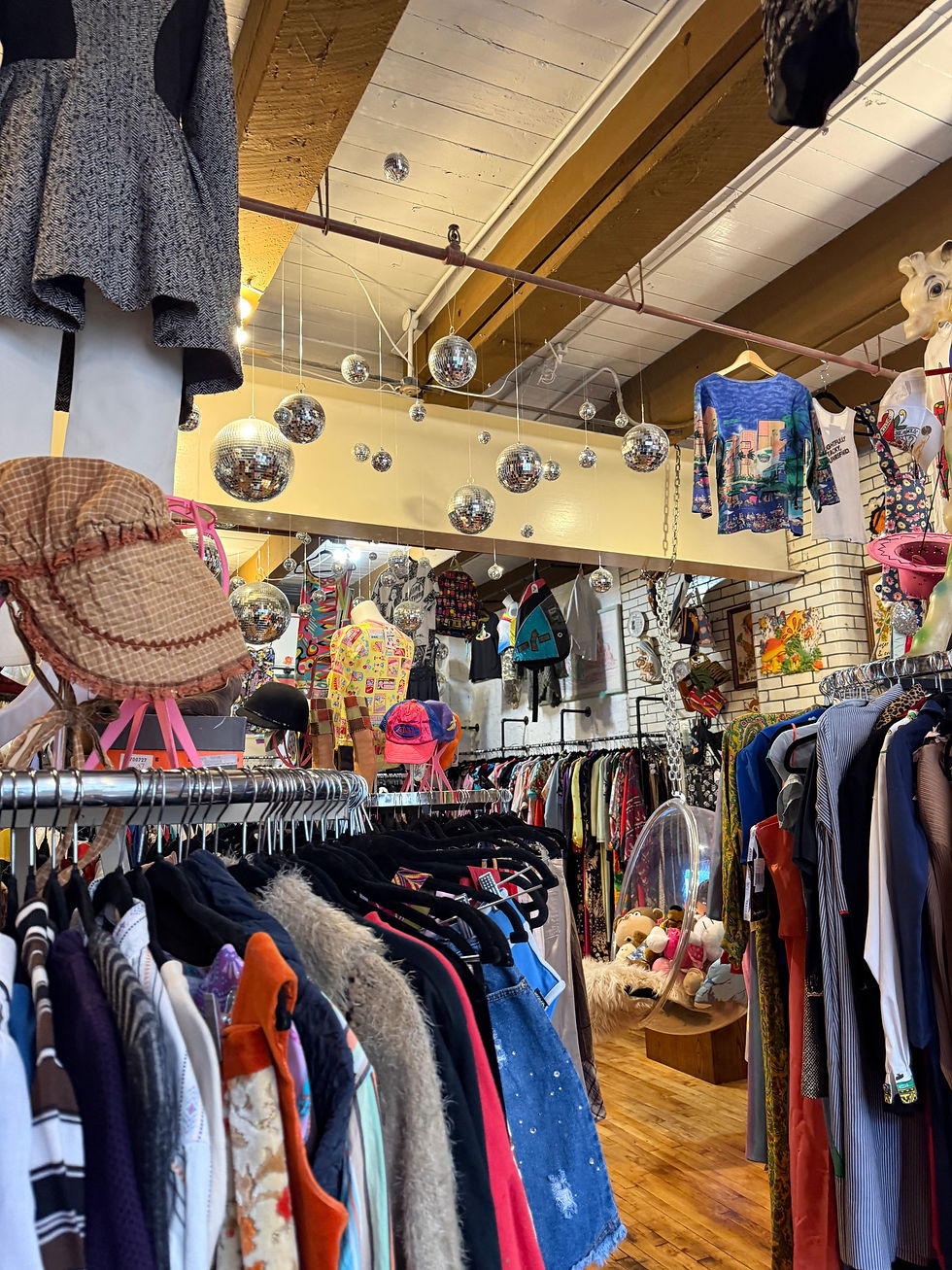
Photo taken at Disco Tits Vintage. Original photograph by Maria Wendling.
Ultimately, thrifting shows how much fashion and public relations influence one another. Brands are not just selling clothing; they are selling experiences, values, and lifestyles that consumers can connect with. As secondhand shopping continues to grow, it will be interesting to see how fashion companies use marketing and PR strategies to keep resale relevant. After all, sometimes the best fashion finds are the ones that already have a story.


Comments